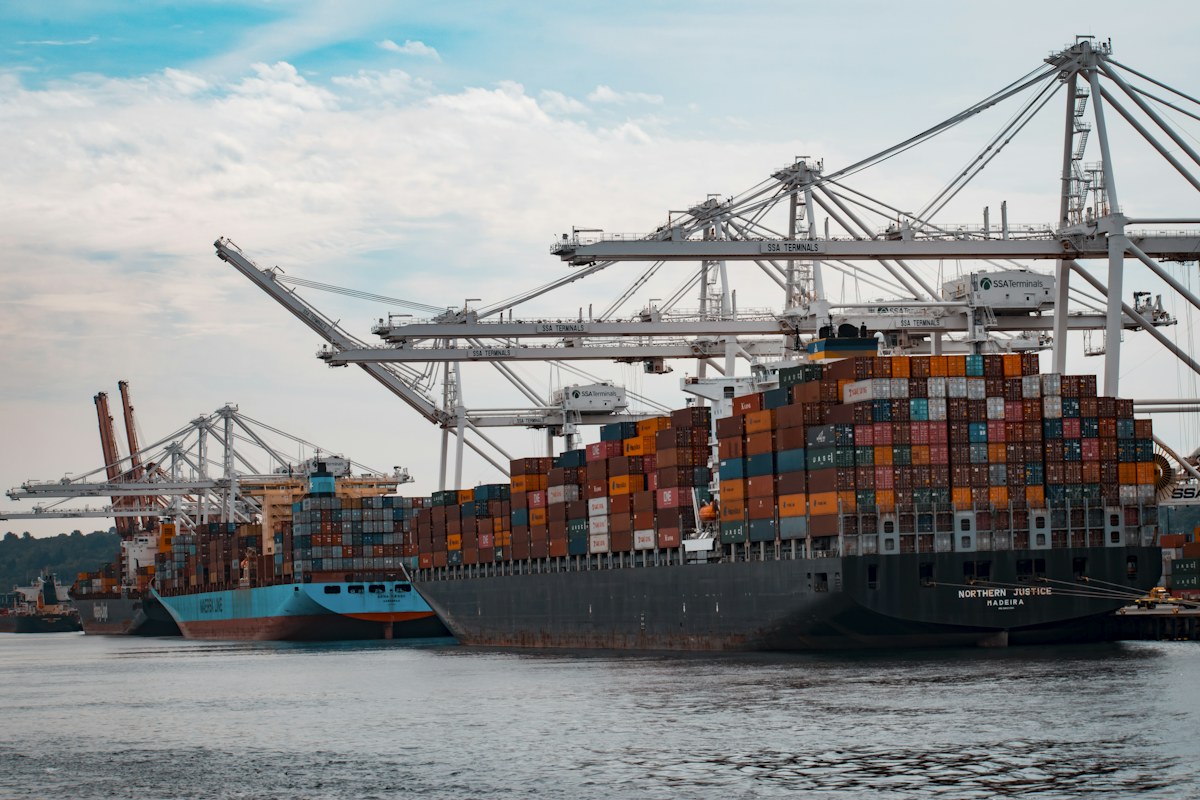
Sea freight is frequently appropriate for heavier, higher-volume or less time-sensitive shipments. Choosing a full container or consolidated space affects packing arrangements, document requirements, terminal handling and the way cargo is delivered after the vessel arrives.
Ocean Freight: FCL & LCL · Planning and coordination
WHEN TO CONSIDER THIS SERVICE
Use FCL when container utilisation, cargo control or a single sealed load makes sense. Explore LCL when shipment volume does not justify a dedicated container; compare total origin and destination costs, not just the ocean-freight line.
01 / TRANSPORT OPTIONS
Service arrangements to compare
Freight quotations need a clearly defined scope. These are the main configurations we review for your shipment.
01
FCL — full container load
Review a container reserved for one shipper’s cargo. Container type, maximum payload, loading location, sealing and verified gross mass all matter.
02
LCL — less-than-container load
Consider cargo sharing a container with other consignments. Consolidation and deconsolidation normally add warehouse handling and extra cut-off considerations.
03
Origin and destination handling
Identify export terminal charges, local transport, destination handling, delivery order procedures and inland truck requirements before quoting.
04
Non-standard or project cargo
Evaluate unusual dimensions, out-of-gauge loads or machinery only after receiving cargo drawings, handling details and special equipment requirements.
02 / INFORMATION CHECKLIST
What to prepare for your quote
Send enough detail to avoid inaccurate rate assumptions or delays at carrier acceptance.
✓Port of loading, port of discharge and any door collection/delivery addresses
✓Cargo description, HS code if available, dimensions, packed weight and total volume (CBM)
✓Preferred container type or pallet/carton count for LCL
✓Commercial invoice, packing list and shipper/consignee information
✓Incoterms, cargo-ready date and export/import responsibility
03 / OPERATIONAL REVIEW
What happens before a booking
The booking process depends on actual cargo and route conditions, not on a published estimate alone.
01Select FCL or LCL using cargo volume, handling and overall landed cost.
02Confirm equipment availability and booking/cut-off requirements.
03Plan stuffing or consolidation, cargo receipt, bill-of-lading instructions and verified gross mass where applicable.
04Identify potential terminal storage, demurrage, detention and delivery charges.
04 / IMPORTANT CONDITIONS
Know what is—and isn't—confirmed
Transport and service availability
Vessel schedules and transit estimates can change. Freight charges do not automatically include customs duty, demurrage, detention, port storage, insurance or final delivery; the accepted quotation must show what is included.
What will affect my quotation?
The collection and delivery locations, type of goods, packaged measurements, weight, ready date, carrier availability and the specific work included at origin and destination.
What about tracking and updates?
Once a shipment record has been created, you can view reported milestones using its Apex tracking reference. Reported checkpoints are not continuous GPS tracking.
Can I request extra handling?
Yes. Tell us about unusual dimensions, regulated goods, fragility or special conditions when you enquire, so we can review whether the required handling can be arranged.