Shipping cost, transit and handling are determined by your cargo—not a generic service label. Explore each transport mode, learn what the quote needs to cover and prepare a shipment enquiry with the right information from the start.
01Cargo profileDimensions, gross weight, commodity and packing
02Route & deadlinesPrecise origin, destination and ready date
03Written scopeIncluded charges, handovers and exclusions
SERVICES & SHIPPING SCOPE
Choose a mode. Understand the whole movement.
A booking may involve several parties: the pickup carrier, terminal, airline or vessel operator, customs broker, destination warehouse and final-delivery provider. Apex reviews the scope requested and coordinates the agreed stages where service availability is confirmed. The written quotation identifies responsibilities rather than assuming every handover is automatically included.
FREIGHT SERVICE 01
Airport, priority and delivery planning
International Air Freight
Air freight is considered when a shipment’s value, production deadline or delivery window makes ocean transit impractical. The planning work is not simply booking an aircraft: the cargo must meet an airline’s dimensions, acceptance rules, security requirements and airport cut-off times.
When to consider this service
Best suited to time-sensitive components, replenishment stock, product launches and commercial freight where shorter transit may justify higher transport cost. The route and confirmed space—not a generic transit promise—determine whether air transport is suitable.
Assess uplift between the nominated departure and arrival airports, including the carrier’s cargo acceptance and handling cut-offs.
Door-to-airport or door-to-door
Price local collection, export handling, air movement, import handover and final delivery as separate, clearly identified stages.
Consolidated air cargo
Review shared air-cargo capacity when price is more important than the fastest available routing, subject to scheduled departures.
Priority or urgent uplift
Evaluate the cargo-ready time, earliest feasible flight, transfers and destination receiving hours before suggesting an expedited option.
Information we need for a quote
Collection address and delivery address, including airport options if known
Commodity description, gross weight, dimensions and package count for every piece
Cargo-ready date, latest acceptable arrival and consignee receiving hours
Commercial invoice and packing list for cross-border movements
Details of batteries, liquids, magnetic goods, aerosols or other regulated contents
What we review before confirming
01Confirm actual versus dimensional weight; the carrier determines the chargeable-weight rule.
02Check whether cargo fits normal aircraft handling or needs special acceptance.
03Compare available routing, scheduled handovers and airport security requirements.
04Present charges and exclusions for pickup, main carriage, destination and delivery.
Important: Air capacity, dangerous-goods acceptance, security screening, customs release and cut-off times vary by route. No flight, transit commitment or temperature-controlled handling is confirmed until accepted in writing.
FREIGHT SERVICE 02
Containers, consolidation and port handovers
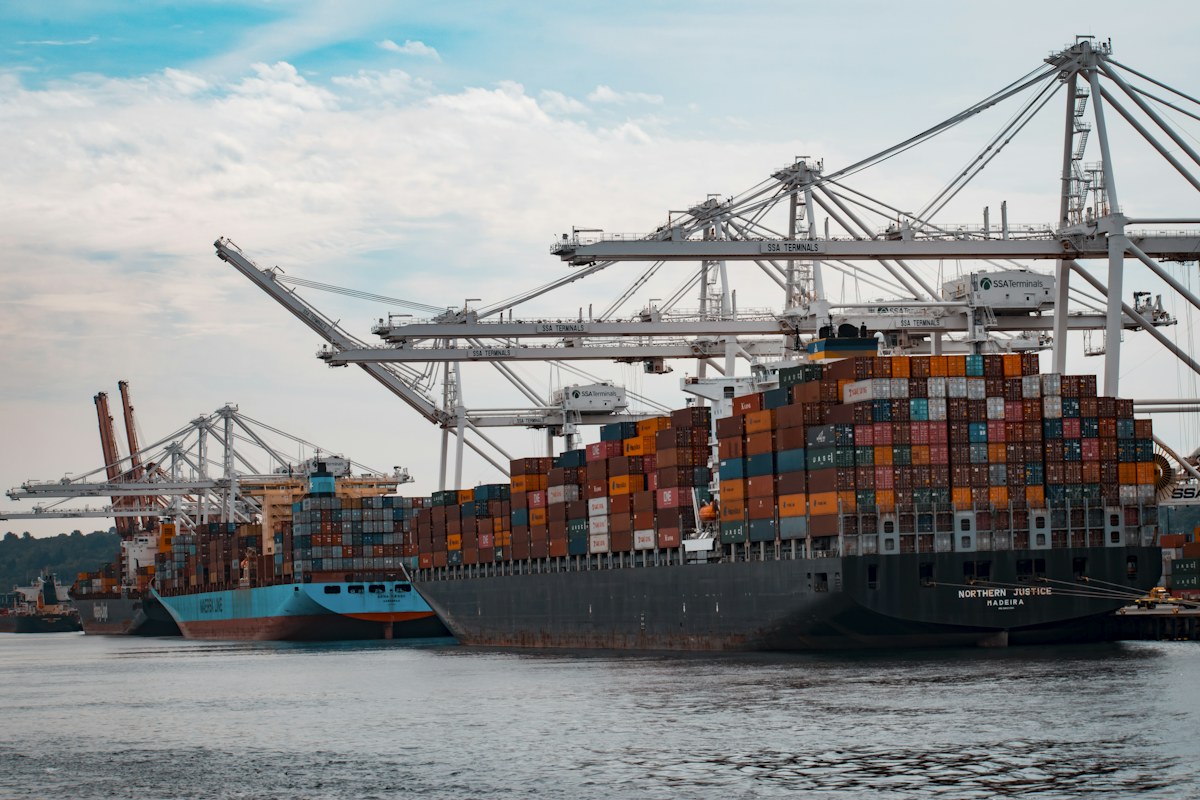
Ocean Freight: FCL & LCL
Sea freight is frequently appropriate for heavier, higher-volume or less time-sensitive shipments. Choosing a full container or consolidated space affects packing arrangements, document requirements, terminal handling and the way cargo is delivered after the vessel arrives.
When to consider this service
Use FCL when container utilisation, cargo control or a single sealed load makes sense. Explore LCL when shipment volume does not justify a dedicated container; compare total origin and destination costs, not just the ocean-freight line.
Review a container reserved for one shipper’s cargo. Container type, maximum payload, loading location, sealing and verified gross mass all matter.
LCL — less-than-container load
Consider cargo sharing a container with other consignments. Consolidation and deconsolidation normally add warehouse handling and extra cut-off considerations.
Origin and destination handling
Identify export terminal charges, local transport, destination handling, delivery order procedures and inland truck requirements before quoting.
Non-standard or project cargo
Evaluate unusual dimensions, out-of-gauge loads or machinery only after receiving cargo drawings, handling details and special equipment requirements.
Information we need for a quote
Port of loading, port of discharge and any door collection/delivery addresses
Cargo description, HS code if available, dimensions, packed weight and total volume (CBM)
Preferred container type or pallet/carton count for LCL
Commercial invoice, packing list and shipper/consignee information
Incoterms, cargo-ready date and export/import responsibility
What we review before confirming
01Select FCL or LCL using cargo volume, handling and overall landed cost.
02Confirm equipment availability and booking/cut-off requirements.
03Plan stuffing or consolidation, cargo receipt, bill-of-lading instructions and verified gross mass where applicable.
04Identify potential terminal storage, demurrage, detention and delivery charges.
Important: Vessel schedules and transit estimates can change. Freight charges do not automatically include customs duty, demurrage, detention, port storage, insurance or final delivery; the accepted quotation must show what is included.
FREIGHT SERVICE 03
Pickup windows, load types and site access
Road Freight & Final-Mile Delivery
Road transport connects warehouses, ports, airports and delivery addresses. Vehicle selection depends on pallet dimensions, load weight, loading equipment, site access and the actual pickup and receiving windows—not simply the mileage between two postal codes.
When to consider this service
Useful for regional freight, pallet distribution, warehouse replenishment and the inland leg of an international movement. For urgent road freight, evaluate a dedicated option against route restrictions and the availability of vehicles and drivers.
Consider dedicated vehicle capacity when freight volume, handling requirements or planned loading make shared transport unsuitable.
LTL or groupage
Consider smaller shipments combined with compatible freight. This can introduce collection, terminal sorting and additional handling stages.
Port and airport drayage
Plan container or unit collection, terminal release, chassis arrangements, appointment windows and return requirements when relevant.
Delivery coordination
Identify loading docks, unloading staff, forklift or tail-lift needs, restricted-access sites, driver waiting periods and proof-of-delivery expectations.
Information we need for a quote
Full collection and delivery addresses with business hours and contact arrangements
Pallet and carton quantities, package dimensions, gross weight and stackability
Loading and unloading equipment, dock height and forklift availability
Requested collection/delivery windows and any appointment or security procedures
Border-crossing documentation when the movement passes between countries
What we review before confirming
01Classify load as full-truck, part-load or terminal-based groupage.
02Check vehicle access, permitted payload and any specialised handling.
03Document pickups, transfer points, waiting-time terms and delivery appointments.
04Confirm proof-of-delivery requirements and who receives the freight.
Important: Transit estimates depend on road access, route rules, border processes, driver-hour restrictions and local conditions. Tail-lift service, detention, redelivery and appointment fees may be additional.
FREIGHT SERVICE 04
Coordinating multiple transport legs
Rail & Intermodal Freight
Intermodal freight combines a longer-distance rail or ocean leg with road movement at either end. The important question is whether the route has suitable terminals, equipment and transfer arrangements for the shipment’s weight, schedule and delivery location.
When to consider this service
Potentially suitable for containerised cargo moving along established inland corridors, especially when total transport cost and route efficiency matter more than the shortest possible delivery time.
Assess rail terminal access, equipment availability and the required origin and destination cut-offs.
First-mile and last-mile drayage
Coordinate truck connections between a warehouse, port, inland rail terminal and final delivery point, depending on the agreed service scope.
Containerised shipments
Review loading method, container weight and restrictions before selecting an intermodal routing.
Handover visibility
Identify who is responsible for container release, transfer appointments, terminal dwell and proof of final delivery.
Information we need for a quote
Origin, destination and nearest feasible freight terminals
Container type, seal requirements, loaded weight and cargo dimensions
Cargo-ready date, receiving window and last-mile truck requirements
Whether the load can stay within one sealed container during transport
Responsibilities for terminal fees, equipment return and customs procedures
What we review before confirming
01Confirm an operating rail corridor and available terminal combination.
02Review loading and transfer points, handling risks and cut-off times.
03Compare the full intermodal cost with an alternative road movement.
04Set out who coordinates each handover and which tracking milestones are available.
Important: Intermodal availability is corridor-specific. Rail schedules, terminal conditions and road connections can alter the total transit time; a quoted rail leg is not a guaranteed end-to-end delivery service.
FREIGHT SERVICE 05
Receiving, storage and outbound handovers
Warehousing & Distribution Coordination
Freight often needs an intermediate storage or handling point before the final destination is ready. The warehouse scope must be defined carefully: receiving and storage are different from inventory management, fulfilment, relabelling or returns processing.
When to consider this service
Useful for import distribution, temporary storage between transport legs, staggered deliveries, retail replenishment or a project that needs several consignments assembled before onward shipping.
Define appointment arrangements, unloading method, expected carton/pallet quantities and any count or condition checks requested at receipt.
Short-term or planned storage
Review space type, storage duration, pallet footprint, allowable goods, inventory recording needs and handling charges.
Cross-docking and consolidation
Assess whether compatible shipments can be received, sorted and transferred to an outbound vehicle without long-term storage.
Value-added handling
Request separate review of picking, packing, relabelling, palletisation, redistribution or returns processing when operationally available.
Information we need for a quote
Warehouse city and delivery point, expected arrival frequency and lead time
SKU or commodity list, carton count, pallet footprint and total weight
Storage duration, handling equipment and any racking or floor-storage need
Inventory accuracy requirements, labelling instructions and dispatch frequency
Special conditions such as temperature, security, regulated goods or serial tracking
What we review before confirming
01Define the receiving standard and what constitutes an accepted inbound delivery.
02Separate storage, handling, picking and transport charges in the proposed scope.
03Agree dispatch instructions, order cut-offs and inventory reporting expectations.
04Confirm which facilities, handling tools and services are actually available for the route.
Important: Apex coordinates warehouse requirements where suitable partner capacity is confirmed. The website does not represent Apex as owning a particular warehouse, operating a WMS or providing temperature-controlled storage by default.
FREIGHT SERVICE 06
Classification, declarations and border handovers
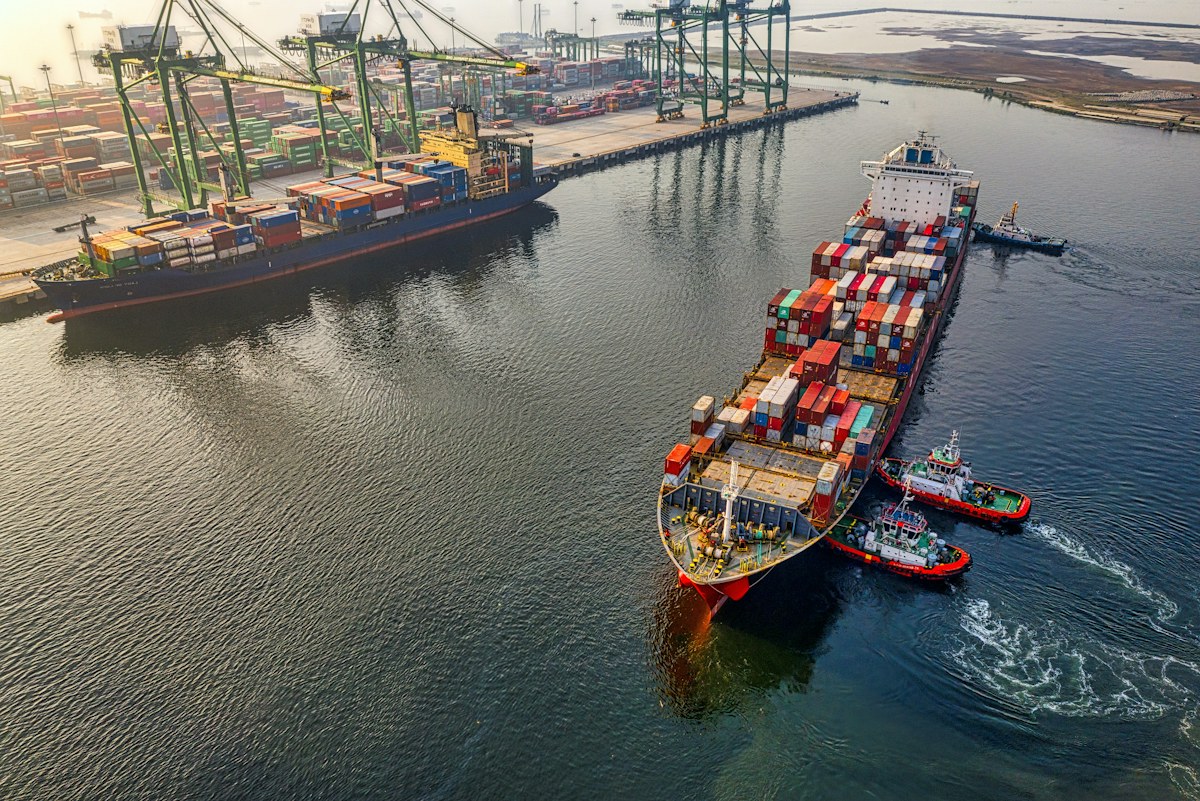
Customs Documents & Trade Coordination
A shipment can be booked for transport yet remain delayed if invoices, classifications or consignee instructions are incomplete. Cross-border planning starts with clearly identifying the goods, parties to the transaction, applicable Incoterm and import/export responsibilities.
When to consider this service
Relevant to imports, exports, cross-border road movements, consolidated shipments and cargo that must satisfy product-specific licences, permits or inspection requirements.
Check that the commercial invoice, packing list, transport details and shipper/consignee instructions are complete before handing them to the responsible broker or carrier.
Classification and origin questions
Flag missing HS classification, commodity origin, product descriptions or supporting certificates for review by the responsible trade professional.
Broker coordination
Where agreed, coordinate required details with a properly authorised customs broker rather than implying that Apex performs licensed brokerage services itself.
Duties, taxes and release handover
Clarify who is importer of record, who pays applicable duties and taxes, and what evidence of clearance is required before freight can be delivered.
Information we need for a quote
Commercial invoice showing buyer, seller, value, currency and goods description
Packing list with piece counts, weights and detailed packaging information
HS tariff classification and country of origin where known
Correct shipper, consignee and importer-of-record details
Incoterms, permits, certificates and broker authorisations where required
What we review before confirming
01Identify the export and import jurisdictions and responsible parties.
02Collect commercial and transport documents before scheduled handover.
03Route technical classification and declaration questions to the authorised trade specialist.
04Confirm clearance or release instructions before arranging onward transport.
Important: Only duly authorised parties should make customs declarations. Duties, tariffs, inspections, licence requirements and admissibility are determined by applicable rules; Apex does not guarantee customs release or exemptions.
YOUR QUOTATION, EXPLAINED
What's in a complete freight quote?
Two quotations may look very different even when they cover the same route. Ask which cost components are included and which will be billed separately.
01
Origin arrangements
Pickup, export packaging or warehouse handling, inland transport, terminal receiving and export formalities where included.
02
Main transportation
Air, ocean, road or combined carriage, together with the equipment type, routing assumptions and any relevant surcharge basis.
03
Destination charges
Terminal or warehouse handling, release documents, destination customs responsibilities and the agreed onward transport.
04
Conditions & extras
Insurance, customs duties and taxes, examinations, storage, demurrage, detention, waiting time and redelivery where applicable.
A quotation request is not a confirmed booking. Carrier availability, cargo acceptance, customs treatment, pricing and estimated transit are confirmed against the actual shipment details.
SERVICE QUESTIONS
Before you ship
Answers to the questions that most often affect freight scope and cost.
How do I compare air and ocean freight?
Start with the cargo-ready date, required arrival, gross weight, packed dimensions and volume. Air can be useful for urgent or high-value consignments, while sea freight often suits larger volumes. Compare the complete door-to-door cost and the handling stages—not only the linehaul rate.
Is LCL always cheaper than FCL?
No. LCL may suit a smaller consignment, but origin consolidation, destination deconsolidation and delivery charges can affect the total. A full container may make more sense for higher volumes, sensitive cargo or particular handling needs. Request both options when volume is close to a crossover point.
Who is responsible for customs duties?
Responsibilities depend on the agreed sale terms, importer-of-record arrangements and local law. A freight quotation should identify the customs service scope separately. The importer and exporter remain responsible for providing accurate commercial and regulatory information.
Does Apex guarantee delivery dates?
Transit estimates depend on confirmed routing, cut-offs, capacity, weather, inspections and release conditions. A guaranteed commitment applies only when it is expressly confirmed in the accepted written service agreement.
Can I request special cargo handling?
Yes, describe the item, packaging, weight, dimensions and exact requirements. Regulated, oversized, high-value, temperature-sensitive or fragile cargo needs a separate suitability and carrier-acceptance review before any promise is made.
READY TO PLAN YOUR SHIPMENT?
Send the cargo details. We'll review the options.
Include your route, goods, carton or pallet count, gross weight, measurements, ready date and any unusual handling requirements.

 FREIGHT SERVICE 01
 FREIGHT SERVICE 02
 FREIGHT SERVICE 03
 FREIGHT SERVICE 04
 FREIGHT SERVICE 05
 FREIGHT SERVICE 06